

In an era where artificial intelligence is taking over every creative field, graphic design hasn’t been spared from writing code to composing music. Tools like Adobe Firefly, Canva’s AI suite, and DALL·E promise instant logos, layouts, and visuals all with a few clicks and prompts. But does faster always mean better? For seasoned designers, marketers, and art lovers, the answer often leans toward “no.”Traditional graphic design still holds a strong position due to its inherent creative capabilities and the limitations of AI in replicating human originality and intuition. While AI can assist with tasks like generating initial concepts or automating repetitive processes, it struggles with human emotions and insights. Here’s why.
1. Human Emotion and Storytelling
Creative designers bring empathy, personal experience, and cultural insight into their work. Human designers can develop complex design projects that require deep conceptualization, storytelling, and brand strategy. A human designer doesn’t just place images and text on a screen, they tell a story. Whether it’s evoking nostalgia through vintage design or energizing a brand through bold modernism, human insights and emotions play a crucial role.
AI, on the other hand, lacks genuine understanding. It mimics what it’s been trained on, but doesn’t feel. AI cannot fully grasp the emotional aspect of design, such as conveying a specific brand personality or mood.
It can’t interpret emotions or create something truly original based on a topic. At best, AI guesses what might look good based on patterns. But design is about connection, not just aesthetics
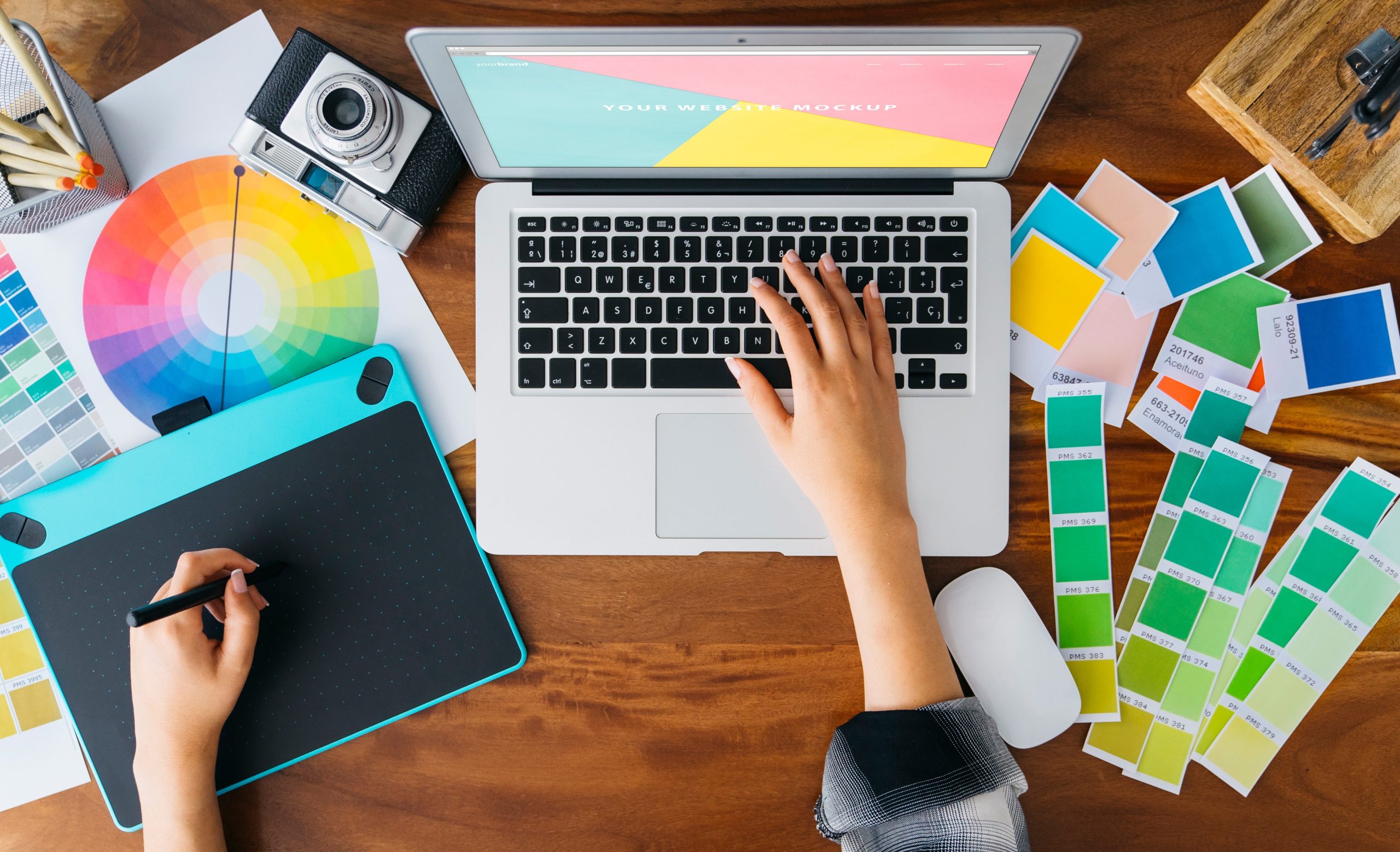
2. Design with Purpose and Strategy
Great graphic design isn’t just about making something “look nice,” it’s about problem-solving and creativity. Designers think critically about the target audience, usability, cultural context, brand tone, and strategic messaging, which makes the website interactive. AI may not be able to come up with truly unique concepts or designs that challenge conventional thinking or push the boundaries of what’s possible in designs created by humans.
For instance, a brand identity for a luxury hotel in Italy requires a different tone and typographic treatment than a logo for a youth skate brand. A traditional designer can tailor their process with precision. AI may be able to generate visuals, but it can’t truly understand a business’s goals or a brand’s long-term vision.
3. Creative Problem Solving
Creativity is more than remixing. It’s finding new perspectives and unexpected solutions to visual challenges. Human designers can think creatively, breaking the rules when it makes sense, inventing new visual languages, or combining unique ideas in ways that haven’t been done before.
AI tools tend to plagiarize. They generate designs based on datasets they’ve seen or programmed to perform. That means you’re often getting a mash-up of what’s already popular, which can be uninspired, generic, or even accidentally plagiaristic.
4. Originality and Authorship
In an age of automated content, authorship matters. A design crafted by a human carries the signature of its creator, a distinct voice, point of view, and intentionality that AI cannot replicate. There’s value to claim, “This was created by me,” not an algorithm.
Moreover, using AI-generated designs raises serious questions about ownership. Who owns the rights? Can a brand truly claim originality when the design is cobbled together by a tool scraping millions of unknown sources and designs?
5. Refinement Through Collaboration
Design is often a collaborative process. Clients and designers work together, refining ideas through feedback, brainstorming, and conversation. Human designers can work collaboratively with clients and incorporate their feedback to refine the design and ensure it meets their needs. This collaborative loop creates better results and often leads to unexpected creative breakthroughs.
AI can’t hold a conversation or brainstorm. It won’t challenge your thinking or surprise you with a bold suggestion. A traditional designer, on the other hand, becomes a creative and interactive partner, not just a tool.
6. Ethical Considerations and Cultural Sensitivity
AI design systems don’t understand variation, context, or sensitive subject matter. They might generate culturally inappropriate imagery or overlook critical social dynamics in design work. Human designers are more capable of understanding and respecting these complexities, ensuring their work is ethical, inclusive, and appropriate for their clients.
7. Design Education and Craftsmanship
Traditional designers invest years mastering color theory, typography, composition, branding, and software skills. Design education equips individuals with the knowledge and skills to creatively solve problems and innovate across various fields, from product design to digital interfaces. This deep education informs every choice they make and often results in design work that’s timeless and intentional.
AI, while impressive, is only as good as its training data. It doesn’t have an eye for kerning or a gut feeling about visual balance. It can replicate, but not master the craft.
Final Thoughts: AI Is a Tool, Not a Replacement
That’s not to say AI doesn’t have a place in the design world. It can speed up workflows, assist with brainstorming, or automate repetitive tasks. But when it comes to creating meaningful, strategic, and emotionally resonant design, traditional graphic design still leads. While AI is rapidly advancing in graphic design, traditional graphic design continues to hold a strong position due to its inherent creativity, nuanced understanding of design principles, and ability to deliver truly unique and client-specific solutions. AI-generated designs often struggle with originality, lack the human touch, and may not fully grasp the emotional resonance needed for impactful visuals. Design is about people. And until AI can understand human emotion, culture, and context on a deep level, it will remain a helpful assistant, not a true creator.
So before handing your brand’s visual identity to a robot, consider this: great design isn’t just about how it looks. It’s about why it looks that way, and that’s something only a human can truly answer.


Leave A Comment